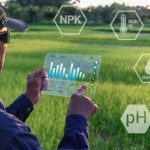
Modern agriculture is rapidly evolving, and one of the most powerful innovations driving this change is smart sensor technology. These advanced devices help farmers monitor crops with precision, providing real-time data that leads to better decision-making and higher yields. From tracking soil conditions to detecting plant health issues early, smart sensors have become essential tools for efficient farm management.
Understanding Smart Sensors in Agriculture
Smart sensors are electronic devices that collect and transmit data related to environmental and crop conditions. They measure factors such as soil moisture, temperature, humidity, light intensity, and nutrient levels. By placing these sensors across different areas of a field, farmers can receive accurate, location-specific information. This detailed insight allows for targeted actions rather than relying on guesswork or generalized assumptions.
Improving Soil and Water Management
One of the best things about smart sensors is that they can check how wet the dirt is. Both too much and too little water can hurt plants, lower their output, and waste resources. Sensors give farmers real-time information that helps them only water when they need to. This not only saves water but also makes sure that plants get just the right amount of water to grow well.
Sensors keep track of more than just wetness. They also measure the temperature and nutrients in the soil. With correct data, farmers can change when they fertilize based on what they know, which keeps them from not getting enough nutrients or using too many chemicals. This makes the earth healthier and the crops stronger, and it also helps farmers use more environmentally friendly methods.
Early Detection of Crop Stress and Disease
Smart sensors play a key role in identifying early signs of crop stress. Changes in temperature, moisture, or plant behavior can signal potential problems such as pests, disease, or nutrient imbalances. By detecting these issues early, farmers can take quick action before the problem spreads across the field.
Some advanced sensors even use imaging technology to monitor plant color and growth patterns. Subtle changes in leaf color or plant structure can indicate health issues that are not visible to the naked eye. Early intervention saves crops and reduces financial losses.
Enhancing Precision Farming
Precision farming relies heavily on data, and smart sensors are at the heart of this approach. They allow farmers to apply water, fertilizers, and pesticides only where needed. This targeted application improves efficiency, lowers costs, and reduces environmental impact.
When combined with modern machinery, sensor data becomes even more powerful. For example, an Auto-steering system integrated with sensor-guided equipment enables tractors to move accurately across fields. This ensures precise planting, spraying, and harvesting, minimizing overlaps and gaps. The result is better crop coverage and reduced fuel and labor costs.
Real-Time Monitoring and Remote Access
Smart sensors transmit data wirelessly to mobile apps or farm management software. Farmers can monitor their fields from anywhere, whether they are at home or managing multiple locations. This real-time access lets you act quickly when things change, like when the temperature drops quickly, or it rains without warning.
Remote monitoring also saves time. Instead of physically checking each field, farmers can rely on digital updates to understand crop conditions. This improves productivity and allows better planning throughout the growing season.
Supporting Sustainable Agriculture
Sustainability is becoming increasingly important in farming. Smart sensors help reduce waste by optimizing water usage and minimizing chemical application. This protects soil health, conserves resources, and reduces pollution. By using data-driven strategies, farmers can maintain productivity while protecting the environment.
Additionally, better monitoring leads to improved crop quality and higher yields. Healthy crops require fewer inputs, which lowers production costs and increases profitability.
The Future of Crop Monitoring
Smart sensors will get even more accurate and cheaper as technology keeps getting better. Adding artificial intelligence and predictive data will help people make even better decisions. Farmers will be able to anticipate crop needs and weather impacts before they occur, making agriculture more resilient and efficient.
Conclusion
Smart sensors have revolutionized crop monitoring by providing precise, real-time data that improves every stage of farming. From water management and disease detection to enhanced precision farming, these tools help farmers grow healthier crops and reduce costs. With ongoing technological advancements, smart sensors will continue to shape the future of modern agriculture, making farming smarter, more sustainable, and more profitable.