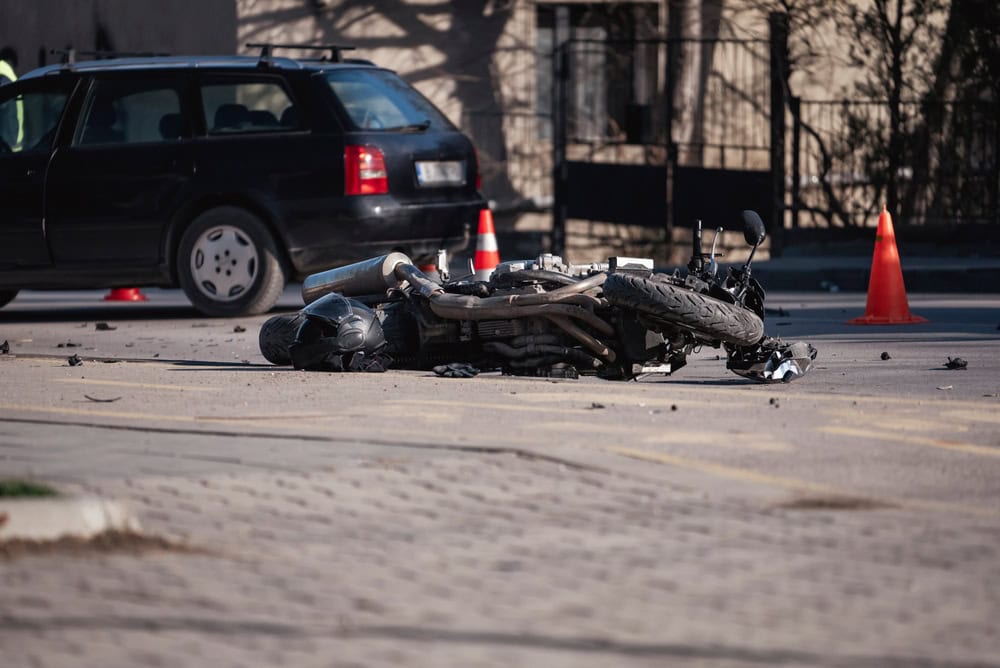
A motorbike accident may quickly turn an everyday trip into a horrific catastrophe. One minute of traffic is moving freely. Then the hit, loudness, panic and a long list of questions. Who was to blame for the crash? Is that covered by insurance? “Proof of the rightness of things? The evidence answers those questions. Strong evidence can make or break a Washington, DC motorcycle accident claim. It can prove fault, connect injuries to the crash, and prove financial loss. The insurance fight is significantly difficult without proof or with poor proof. A DC Personal Injury Lawyer can assess the facts and assist save vital records. Much of that effort takes place quickly after the crash, when details are still fresh.
The Story of the Crash Scene
A crash scene may resemble broken glass, bent metal and tyre tracks. But every detail can reveal part of the story. Photos and videos are often some of the best kinds of proof. They might indicate damage to the car, debris on the road, skid marks, traffic signs and lane locations. If it is safe, take photographs of the incident from several angles. Close views are good, but wide photos help to display the whole road layout. Weather and road conditions could be a factor as well. Was the sidewalk wet? A tree blocked a traffic signal? Had construction funneled riders into a narrow lane? Small things might produce major problems later. Video might be even more useful. There might be cameras in nearby shops, houses, buses or traffic systems. Dashcams can also record the minutes before the impact. The catch is this: video could be deleted in days or weeks. A quick action can make a huge difference.
Police Reports Help Create Timeline
Police frequently write an official report after a serious motorbike crash. This report may include names of drivers, witnesses, insurance information and specifics of the crash location. The officer may also note road conditions or any evident damage. Where appropriate, the report includes statements from persons involved. A police report doesn’t necessarily establish culpability on its own. But it creates a launchpad for attorneys and insurance. Think of it as the framework of a puzzle. Other evidence fills in the picture. Even traffic violations that relate to the crash may be important. Parts of an injury claim could be strengthened with a penalty for speeding or hazardous turn. The complete facts are still to be reviewed.
Witnesses May See What Rider Could Not
“Motorcycle riders have very little time to process a crash. A lane shift or a left turn can happen in a flash. An independent witness may have a better view of the occurrence. Witness comments will help to determine whether the vehicle moved first. They can confirm that a driver ran a light, used a phone or failed to yield. Whenever you can, collect names and phone numbers. Memories dim. Some witnesses are hard to find months later. A clear statement made soon after the incident will carry more weight than a foggy remembrance made much later. “Passengers can provide useful information too. They might say things like speed, traffic flow, what the rider was doing before contact.
Medical Records Tie the Crash to Your Injuries
Medical evidence is key to many motorcycle injury cases. Motorcycle riders have very minimal physical protection. Yes you wear a helmet and riding gear but a big hit can do a lot of damage. Common injuries include broken bones, road rash, head trauma, burns and spinal cord damage. Some injuries are obvious immediately. Others only get worse with time. Medical records can reveal when the discomfort started and what care was needed. Emergency room notes, scans, surgery and therapy records might all be important. Bills also reveal the expense of care. Treatment breaks can cause complications. The insurer may say the injury was minimal or was from another cause. That may be an unfair charge, but that’s what occurs. Follow the care plan your doctor gave you. Keep appointments and maintain notes about therapy. Price Benowitz Accident damage Lawyers, LLP handles a wide variety of damage cases in Washington, DC. We take cases for anyone injured in motorcycle accidents, vehicle accidents, truck accidents, bicycle accidents, bus accidents and pedestrian accidents. Its attorneys also represent clients in burn and spinal cord injury lawsuits.
Your Wrecked Motorcycle Is Proof, Too
But don’t forget the motorcycle itself. Damage patterns might tell us where the impact happened. A crumpled front wheel tells a different story than damage along the side of the bike. Repair estimates and mechanic reports may assist in documenting the loss. In serious crashes professionals may examine the motorcycle before it is repaired or sold. The rider’s helmet and gear can matter too. A helmet with a crack shows the force of the hit. Torn gloves, boots and jackets could assist back up claims of how the rider hit the road. You know what? It seems weird to save broken equipment. Most individuals desire to get rid of broken stuff. But those things could be useful evidence.” Keep them safe until the matter gets reviewed.”
Phone logs, driver data can expose careless acts.
Distracted driving has been a major worry as many road crashes have been attributed to this. Phone records can assist establish if a driver was texting or making a call near the time of the collision. Obtaining these records may involve formal legal procedures. Modern automobiles can also store useful data. Some cars are fitted with event data recorders that capture speed, braking and other actions. That information could help experts analyze what transpired moments before an accident. Commercial vehicles may have additional logs. The case may involve driver logs, GPS data, camera footage and company documents. Evidence is a bit like ice on a warm sidewalk in D.C. If you wait too long some of it can be gone. And that’s why preservation is important.
Salary records reveal the true expense of missed work
A significant injury is not just physical. It can really hammer a family budget. You can show lost income with pay stubs, tax records and employer letters. These records may point to missing work days and fewer hours worked. Some riders aren’t able to go back to the same job. For example, a spinal injury may mean you are unable to lift, stand or drive. In some circumstances, job history and expert reviews can be helpful to show prospective loss of revenue. Independent riders may require more verification. You can show your usual profits by using bank records, invoices, contracts and past tax returns. The aim is straightforward: convert a monetary loss into unambiguous, verifiable facts.
Records miss pain that personal notes catch
Medical charts employ clinical terminology. They don’t necessarily reflect how an injury affects day to day living. A personal notebook might help fill that void. A rider may say they have difficulties sleeping, pain when they walk or fear around traffic. The journal might also include missing family gatherings and regular chores that now require aid. Keep entries honest and straightforward. There’s no use making the agony worse than it is.” Social media needs to be looked after also. Insurance companies can monitor public posts. A happy picture is not proof that someone is free of suffering, but an insurance company might try to use it that way. When in doubt, do not disclose specifics of your crash or injury claim.
Convincing Evidence Can Alter the Insurance Battle
Insurance companies look at the facts, but they also look for weaknesses. Missing paperwork, blurry pictures and late treatment are all reasons an insurance may contest a claim. But a good evidence file makes that job harder. Price Benowitz Accident damage Lawyers, LLP can evaluate the crash data, medical evidence, witness statements, and other case facts. The purpose is to understand what happened and how the damage affected the victim’s life. Every motorbike crash is different. The type of evidence needed varies with the road, cars, injuries and individuals involved. That said, one guideline still applies. Save your evidence early. The days after a crash can be a confusing time. Medical care is the top priority. After the pressing needs are met, safeguarding the evidence can also help protect the claim.
Frequently Asked Questions
1. What is the most significant evidence following a motorbike accident in DC?
Often crucial are photos, medical records, witness testimony and crash reports. Each sort of proof has a different objective. Photos from the scene may demonstrate fault but medical records tie injuries to the collision. A good case usually consists of a number of pieces of evidence and not just one item.
2. Is it possible to win a motorbike accident claim without a witness?
Yes, there can be a claim without an eye-witness. Video, damage to the car, police reports, cell phone data and expert opinions may help establish fault. The precise proof depends upon how the disaster happened and upon what data are still available.
3. What do I do with my broken helmet and motorbike gear?
Yes. Keep the helmet, jacket, gloves, boots and any other gear that is damaged. These things can tell what type of crash it was, and how hard. Do not throw them away or fix or alter them until you have spoken with a lawyer about the situation.
4. Will social media posts affect my motorbike injury case?
Yes, an insurance provider can look at your public posts. Photos or comments might be taken out of context and used to doubt an injury. While your case is pending, refrain from discussing the crash, treatment or claim online.
5. When Should Evidence Be Collected After a Motorcycle Accident?
Evidence should be collected as soon as it is practicable. Video can be deleted, road markings can fade, and witnesses can forget important details. Collecting the evidence early helps maintain a clearer record of the crash and can help bolster your claim for injuries.