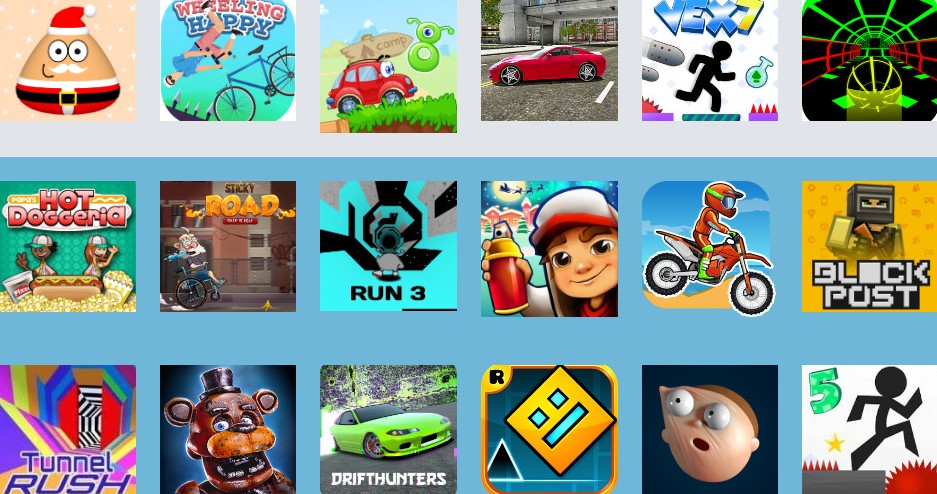
Let’s be honest—school can be intense. Between assignments, lectures, and surprise quizzes, it’s no wonder students look for little ways to de-stress. One of the most common escapes? Unblocked games. You’ve probably seen or even played them—those browser-based games that somehow slip past school firewalls and offer a quick shot of entertainment between classes. But here’s the question that’s often swept under the digital rug: are they safe to play in school? It’s not just about whether they’ll get you in trouble; we’re talking cybersecurity, data privacy, and how these games may affect your device and academic focus. So before you fire up that tower defense game or start clicking through your favorite pixel art adventure, let’s dive into the world of unblocked games—and figure out what’s really going on behind the screen.
The Rise of Unblocked Games in School Networks
Unblocked games have become the go-to solution for students dealing with strict network restrictions. Typically hosted on mirror sites or obscure domains, these games can bypass school internet filters. Why? Because they’re often hosted outside the usual gaming domains that schools block. Students find these games through Reddit threads, YouTube videos, or just word of mouth. With categories ranging from racing and puzzles to casual versions of a slot game or even a card-based qq online game, the diversity is huge. But their rise isn’t just about entertainment—it’s about accessibility. No installations, no logins, just instant fun. The simplicity and low system requirements make them perfect for school-issued Chromebooks or slow desktop lab computers. The bigger question, though, is what trade-offs come with that convenience?
The Allure vs. the Risks: Why Students Love Them and Why Schools Don’t
For students, the thrill of beating the system is half the fun. Being able to access a game that’s technically “banned” gives it an edge. But the other half? It’s the sheer need for a break. Imagine sitting through four back-to-back classes with no real downtime—your brain’s fried, and unblocked games offer a quick dopamine hit. For some, even a couple rounds of a poker game with bots is enough to reset their mental fatigue. But from the school’s perspective, these games are red flags. First, they can be huge distractions, often cutting into valuable study time. Second, many of these sites are ad-heavy and can host malicious scripts. Some are even embedded with cryptocurrency miners or fake “download” buttons, designed to trick users into installing malware. Schools spend thousands on IT infrastructure and cybersecurity. An innocent click could compromise the entire network. So while students are chasing leaderboard scores, IT administrators are chasing vulnerabilities.
Behind the Scenes: What You Don’t See When You Click “Play”
Here’s what most players don’t realize—unblocked game sites often operate in the legal gray area. Many don’t own the rights to the games they host. Developers of indie or flash games may not even know their work has been scraped and reposted. More worryingly, some sites make their money by harvesting user data or injecting ads that track browsing habits. On a school network, where multiple students might be using the same Wi-Fi, this opens the door to mass data collection. And let’s not forget phishing risks—some unblocked game portals ask players to sign up or verify “human identity” before playing, which can be a front to collect emails or trick users into inputting personal data. Just because it looks like a simple toto hk game doesn’t mean it’s safe. In fact, anything that requests information before letting you play should raise a red flag.
The Slot Game & Poker Game Trap: Innocent Fun or Hidden Threat?
It might start with a simple animation and a fake jackpot sound—just an innocent-looking slot game where you spin for fun using virtual tokens. But here’s the catch: even free-to-play versions can imitate the mechanics of real gambling, triggering behavioral patterns tied to risk-reward loops. In some school settings, students have been caught playing these games, not realizing the psychological implications. The same goes for a poker game—what begins as casual play can sometimes turn competitive, especially when students start betting points or even real money in peer groups. And while many unblocked versions strip away monetary stakes, they can still normalize gambling behavior. Schools are rightfully concerned about this trend, especially when minors are exposed without guidance. It’s a digital rabbit hole—one round leads to another, and before you know it, your break between classes has become a half-hour deep-dive into virtual gambling.
So, Are Unblocked Games Actually Safe? Let’s Break It Down.
Let’s not sugarcoat it: unblocked games are a mixed bag. Some are completely harmless and educational—math puzzles, logic games, or brain teasers designed to challenge your mind without any sketchy back-end activity. Others, however, are outright dangerous. Unsafe unblocked games can lead to:
- Malware infections from fake download buttons
- Exposure to inappropriate ads or content
- Phishing scams targeting student emails
- Data tracking and browser hijacking
- Distraction from academic performance
If the game is hosted on a secure, HTTPS site and doesn’t request logins or downloads, it’s probably safer—but “probably” isn’t a guarantee. School devices are meant for learning, and playing games on them can violate acceptable use policies. One student’s harmless fun can be another student’s reason for a locked Chromebook.
What Students Can Do: Safer Alternatives Without Getting Burned
So what’s the alternative? If you’re looking to take a break without compromising safety or risking school penalties, try these:
- Stick to Educational Game Sites: Sites like Coolmath Games or PBS Kids (for younger students) are school-friendly and vetted.
- Ask Your School: Some schools allow a short list of approved games during free periods. Why not get permission and play guilt-free?
- Play at Home: Save the more intense or riskier games—like those slot game imitations—for home use, where you’re on a private network.
- Use Browser Sandboxes: Some students use browser profiles or extensions that isolate risky tabs, but again, do this at your own risk and only outside of school.
And remember: even if you find a super fun poker game that seems safe, don’t share it around without vetting. Just because it works on your device doesn’t mean it’s clean or school-appropriate.
The Teachers’ Take: Why Many Educators Don’t Turn a Blind Eye
Many teachers today grew up gaming themselves. They understand the appeal. But they also see the shift—attention spans are shrinking, and digital distractions are growing. Unblocked games, especially those mimicking real gambling like a slot game or poker game, are often the first signs of disengagement. That’s why some educators lobby for stricter monitoring tools, not because they’re against fun, but because they’ve seen students fall behind due to unchecked screen time. Teachers are more open to games with educational value—word puzzles, coding games, math challenges—but the moment the classroom turns into a hidden casino or a platform for shooter games, that’s when the line gets crossed.
Conclusion: Balance Is the Name of the Game
Unblocked games aren’t inherently evil. They’re just tools—tools that can entertain, educate, or endanger depending on how they’re used. Playing a game during a study break isn’t the worst thing in the world. But doing it constantly, on an unsafe site, or diving into games that replicate gambling dynamics like a poker game or slot game? That’s where you need to hit pause and think. Students should be taught digital literacy, not just blocked from fun. And schools should offer better options for break-time relaxation—chess clubs, offline games, or creative downtime that doesn’t involve shady sites. In the end, it’s about balance, awareness, and smart choices. So next time you feel the urge to play a game during class, ask yourself: is it worth the risk, or is there a safer way to recharge?