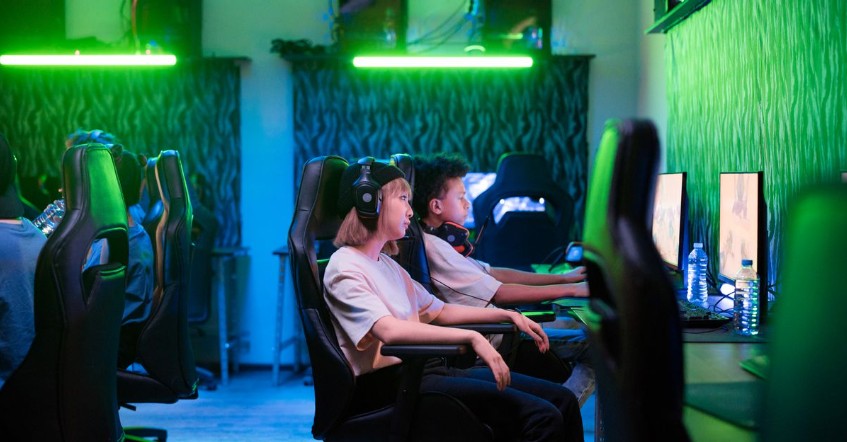
How has online gaming become such a normal part of daily life for so many people?
The answer is not just better technology or faster internet. It is the culture that has formed around playing, watching, talking about, and learning from games online. That culture shows up in small habits, like checking in with a group before a match, and in bigger patterns, like how people build friendships and routines around play.
Online gaming now shapes how people communicate, relax, and spend time together. It is less about isolated play and more about shared customs that keep growing through repeated use. Those customs are easy to miss if you only look at the game itself.
Shared Habits That Shape Daily Play
Online gaming has created a set of everyday habits that many players follow without thinking about them.
People often log in at the same time each day, answer messages from teammates, and check updates before starting. These small routines make gaming feel structured, almost like a social appointment. A player might open a chat app first, then a lobby, then a match, because that order has become part of the experience.
These habits also affect how people use free time. Instead of treating play as a rare event, many players fit it into short breaks, evenings, or weekends. That pattern gives gaming a steady place in daily life rather than a one-off role.
In some circles, specific games become part of the regular conversation because friends use them as a shared reference point. A phrase like slot88 can appear in chat, not as a headline feature, but as part of the casual language people use while comparing outcomes, timing, or luck in game-related talk.
Language And Social Norms Online
The way people speak in gaming spaces is one of the clearest signs of culture forming around it.
Inside Jokes And Shortcuts
Gaming communities often create their own shorthand. Short phrases, abbreviations, and jokes help players communicate faster and build a sense of belonging. A new player may need time to catch on, but regular players use this language as a social signal that says, “I know the routine.”
This language also makes online spaces feel more personal. A team that uses the same jokes or phrases every night builds familiarity through repetition. That familiarity matters because it makes anonymous spaces feel a little less distant.
Rules Of Respect And Friction
Along with jokes and shorthand, there are unspoken rules about how to act. Some groups expect quick replies, honest feedback, or calm behavior after a loss. Others tolerate more teasing and casual talk.
These expectations can differ from one group to another, but they still shape the culture. Players learn fast that tone matters as much as skill. A helpful teammate often earns more respect than a highly skilled one who speaks badly to others.
That is also why certain terms move through gaming spaces so quickly. A phrase like slot jackpot can be used in conversation to point to a big win, a lucky result, or the excitement around a rare outcome, giving people a quick way to react together.
Friendship And Group Identity
Online gaming has become a common way for people to maintain friendships and build group identity.
Regular Contact Without Formal Plans
Many friendships now stay active because people meet in games on a regular basis. That contact does not always require a long message or a planned outing. A short session can be enough to keep the connection alive.
This matters because it lowers the pressure that sometimes comes with staying in touch offline. People can talk while playing, joke while waiting, and share small updates without making the interaction feel heavy.
Teams That Feel Like Social Circles
Groups built around online play often behave like small social circles. Members remember each other’s habits, preferred roles, and usual times online. Over time, that memory creates trust.
Even people who never meet in person can still build a strong sense of group identity. Shared wins, shared losses, and repeated routines give the group a history. That history makes the group feel real to the people inside it.
Watching Games As Part Of The Culture
Online gaming culture is not limited to playing. Watching has become part of the same social pattern.
Many people follow matches, clips, and live sessions because they like seeing how others play. This changes gaming from a private activity into something shared with an audience. Viewers comment, react, and compare their own habits with what they see on screen.
That habit also affects how people talk about play afterward. A player might copy a strategy they saw online or joke about a mistake they noticed in a clip. This makes viewing part of the learning process and part of the social conversation at the same time.
How Online Gaming Affects Everyday Behavior
The culture around online gaming reaches beyond the screen and into ordinary behavior.
Scheduling And Routine
People often organize evenings around match times, team meetings, or friend availability. That can make gaming one of the anchors of a weekly routine. For some, it gives structure after work or school. For others, it creates a steady reason to stay connected with friends.
This also shapes expectations around time. Players learn to be punctual, to warn teammates if they will be late, and to respect group plans. Those habits can carry into other parts of life because repeated coordination trains people to think in terms of shared timing.
Patience, Response, And Group Mood
Online gaming also teaches people to read group mood quickly. A team can shift from focused to frustrated in minutes, and players learn to adjust their tone to match. Calm communication often keeps a group steady longer than raw skill does.
That attention to mood matters because online play is social, not just technical. People notice who stays patient, who helps fix mistakes, and who keeps the group moving after setbacks. Over time, those small behaviors become part of what the culture values.
Why This Culture Keeps Growing
Online gaming keeps forming culture because it mixes routine, language, and social contact in one place.
People are not only playing for points or outcomes. They are also building habits, learning how to talk to each other, and finding regular groups that fit into daily life. That is why online gaming feels bigger than a pastime. It has become a normal part of how many people connect, communicate, and spend time together.